KUM Services GmbH · Engineered in Germany, Deployed Worldwide
Robot Aircraft Technology — The Autonomy Stack
What Turns an Aircraft into a Robot Aircraft?
Autonomous Flight Control. Engineered, Not Improvised.
A robot aircraft is a proven civil airframe fitted with a complete autonomy stack: an autonomous flight control system commanding redundant actuation on the existing flight controls, sensor fusion for navigation and situational awareness, BVLOS datalinks, and a ground control station for supervised mission control. KUM Services GmbH engineers and integrates this technology in Germany — in collaboration with the Institute of Flight Mechanics and Flight Control (iFR) at the University of Stuttgart — and deploys it on customer aircraft worldwide. This page explains each layer of that stack.
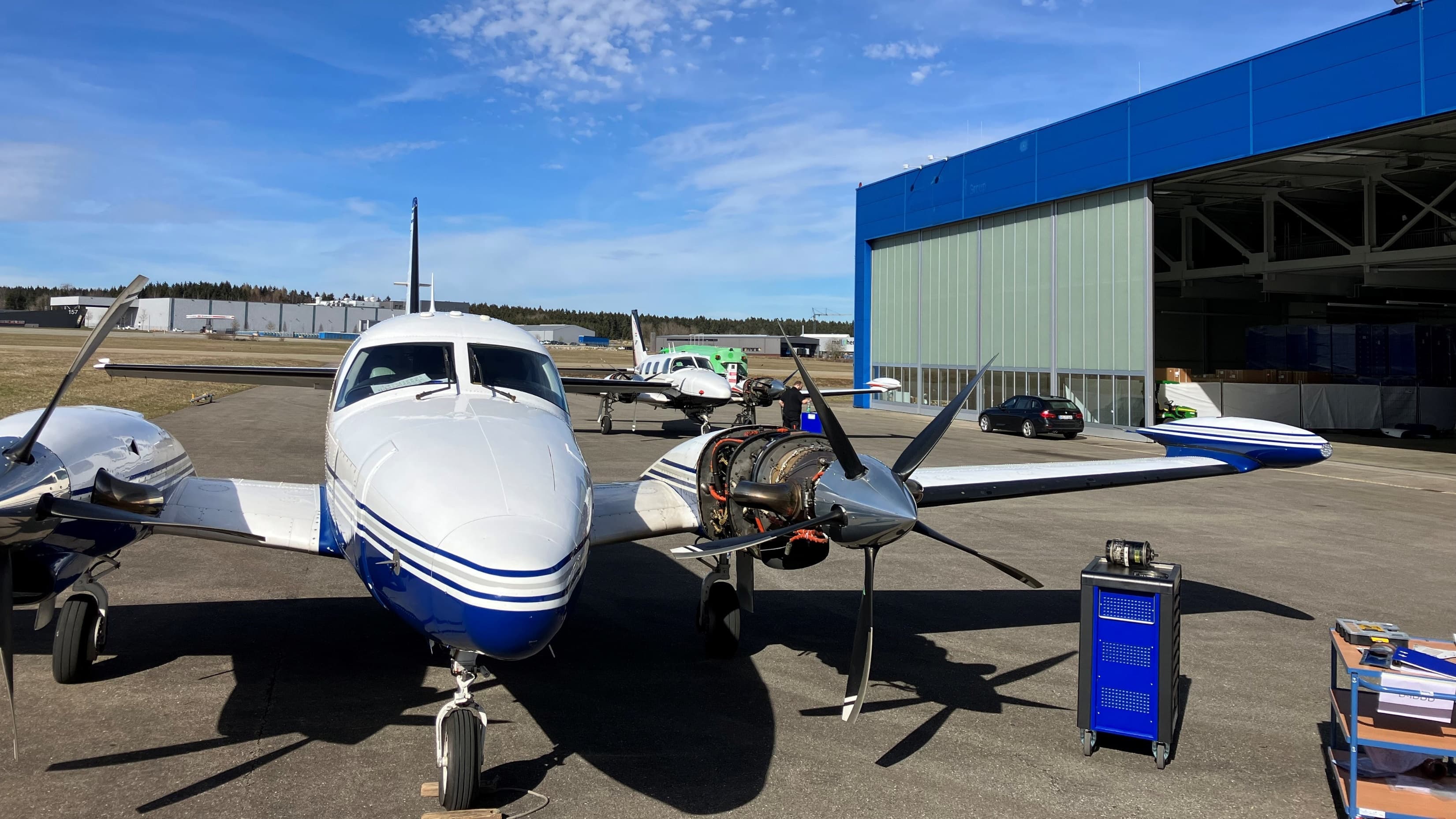
Supervised Autonomy
The Aircraft Flies. The Operator Supervises.
KUM Services robot aircraft are not remotely piloted in the traditional sense. The autonomous flight control system executes the full mission profile — taxi, take-off, en-route flight, payload operation, and landing — while operators at the ground control station supervise the mission and issue mission-level commands over redundant BVLOS datalinks. Redundant actuators on the flight controls and engine, combined with fused navigation sensors, allow the aircraft to continue flying safely through individual component or datalink interruptions. The result is a robot aircraft that behaves predictably, follows defined procedures, and keeps the human in supervisory control at all times.
Technology Stack
Inside the Autonomy Stack
Flight Control Computer
The core of the robot aircraft: an autonomous flight control computer that plans and executes the full mission profile — taxi, take-off, en-route flight, and landing — developed with flight control expertise from the University of Stuttgart.
Redundant Actuation
Redundant actuators installed on the aircraft's existing flight controls, engine, and systems translate flight control commands into physical control inputs, with redundancy to tolerate individual component faults.
Sensor Fusion
Navigation and air-data sensors are fused into a single consistent picture of aircraft state, giving the flight control system reliable position, attitude, and speed information throughout the mission.
Datalink & Comms
Redundant BVLOS datalinks carry command, telemetry, and payload data between aircraft and ground control station. Defined lost-link procedures keep the aircraft on a safe, predictable flight path if a link is interrupted.
Ground Control Station
The ground control station is the operator's interface for supervised mission control: mission planning, real-time monitoring, mission-level commands, and payload management — without manually flying the aircraft.
Payload Interface
A mission payload interface connects EO/IR sensors, communications equipment, and cargo systems to the autonomy stack, so ISR, cargo, special mission, and range or communications relay roles can be configured per customer.
One Autonomy Stack — Multiple Airframes
Integrated on Proven Aircraft
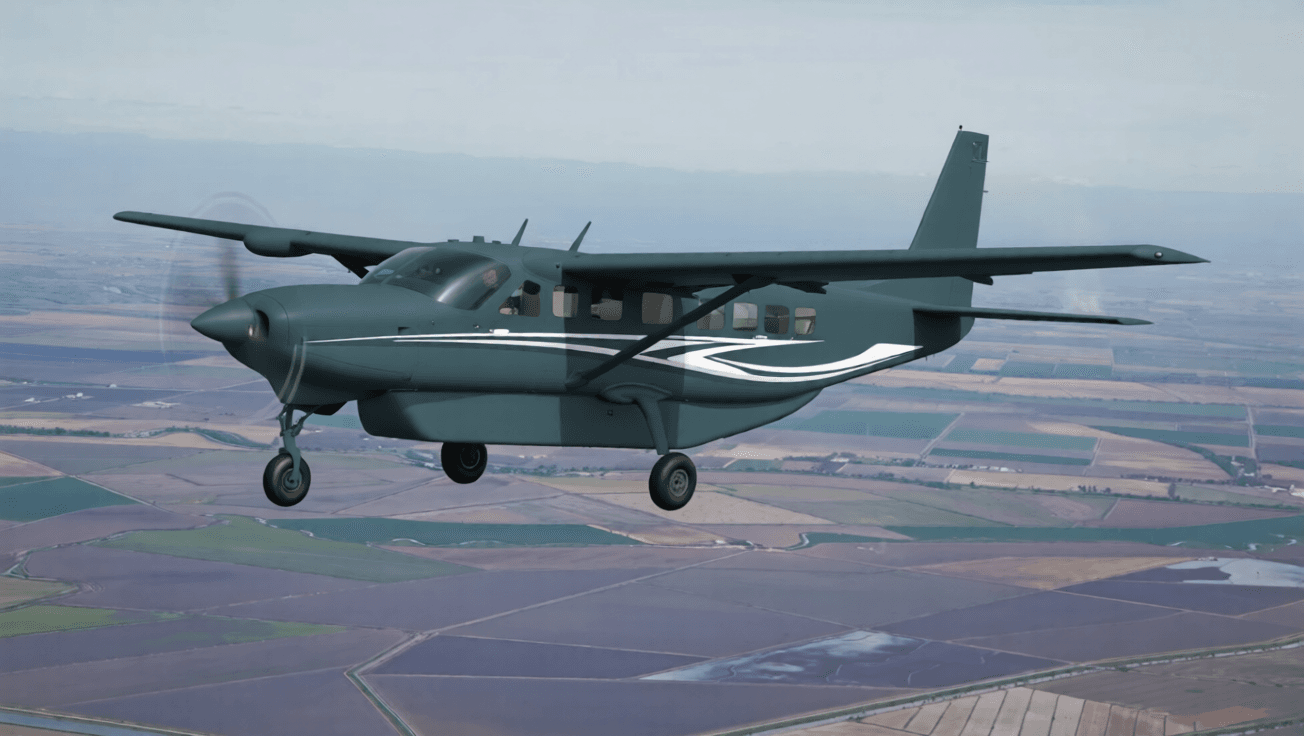
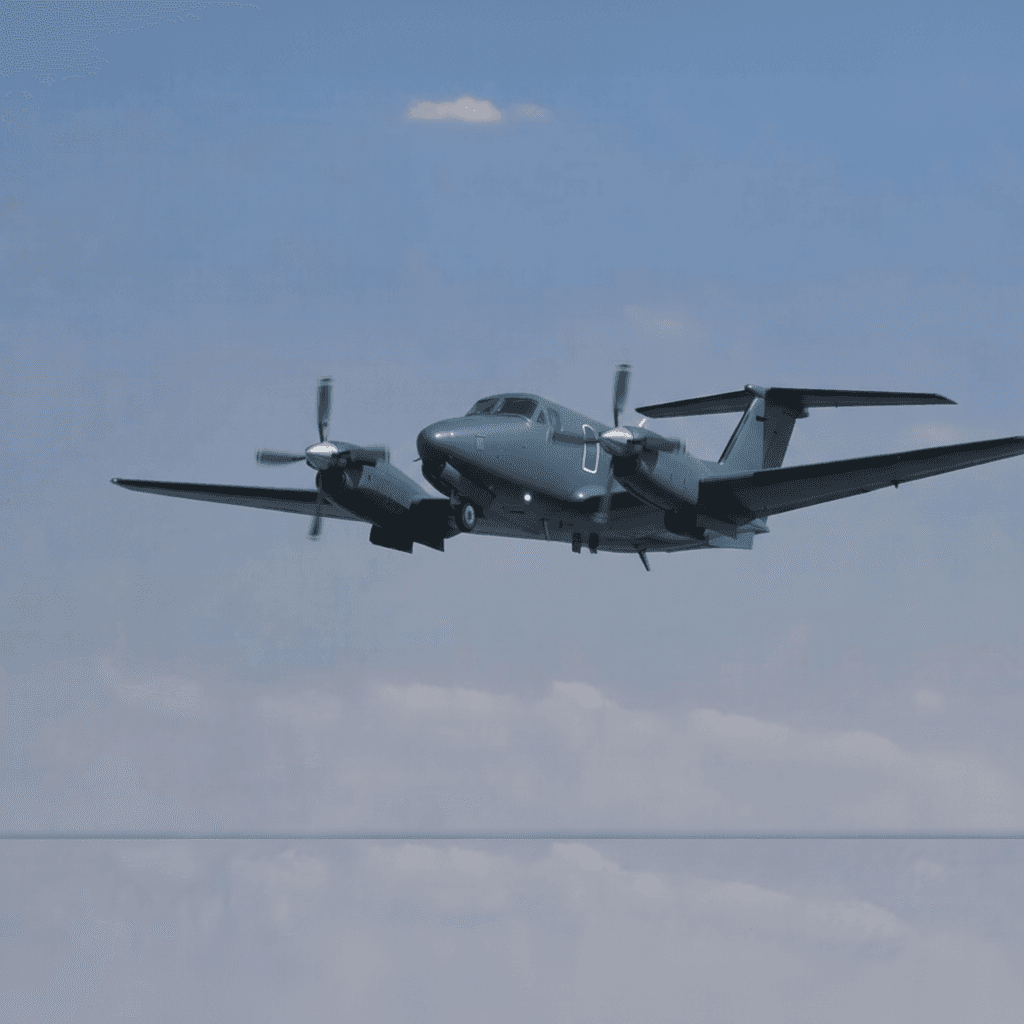
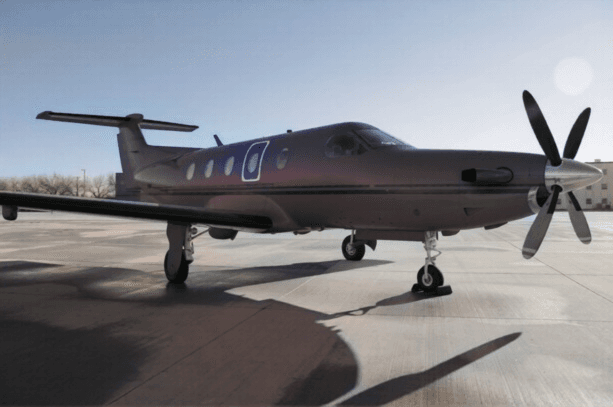
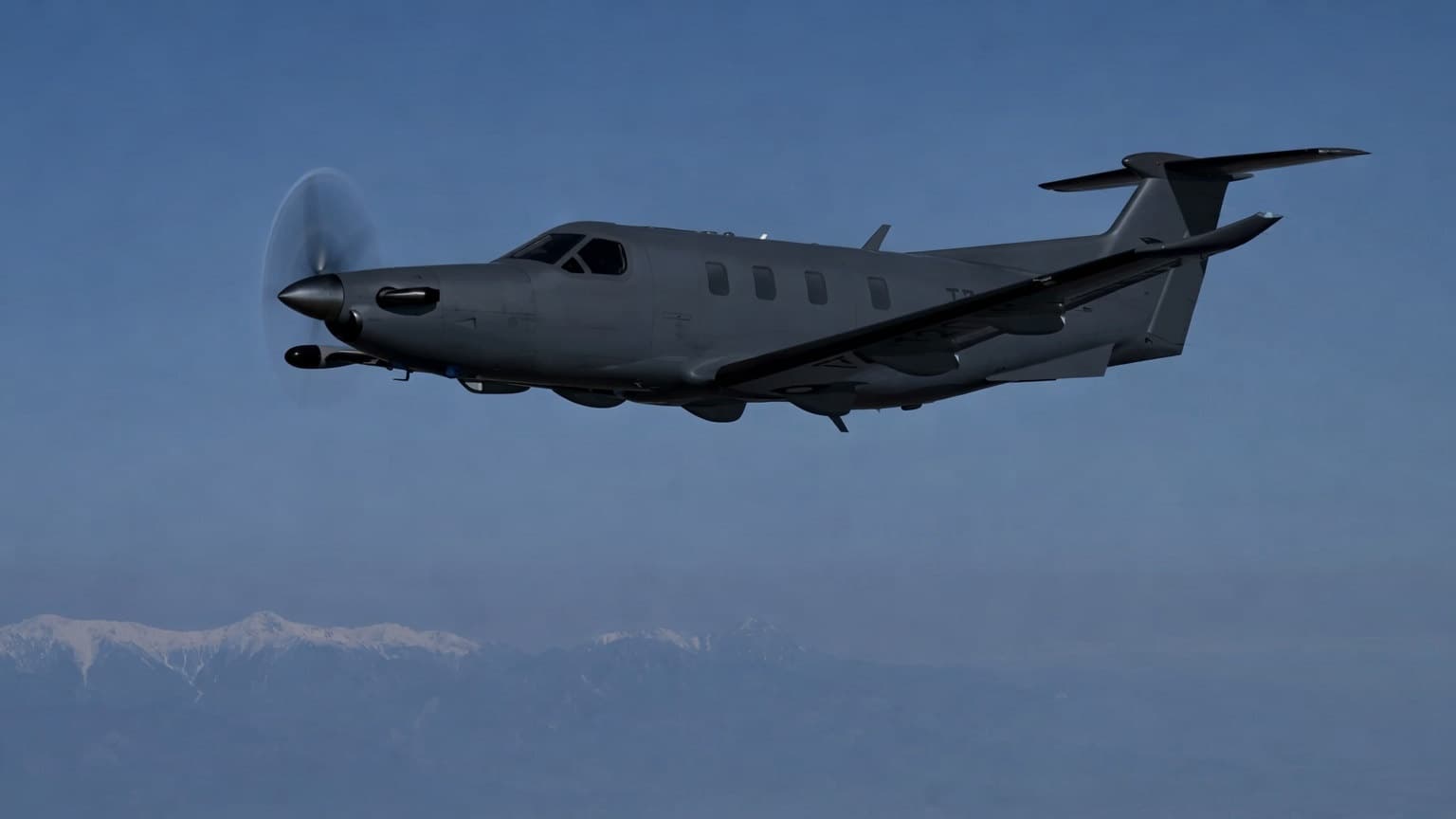
The same autonomy stack is adapted to each supported airframe — from the Cessna 208 to the King Air 350 and Pilatus PC-12 — so operators gain a common ground control station and supervised mission workflow across their robot aircraft fleet.
Engineering Partners
University of Stuttgart & EASA Part-145
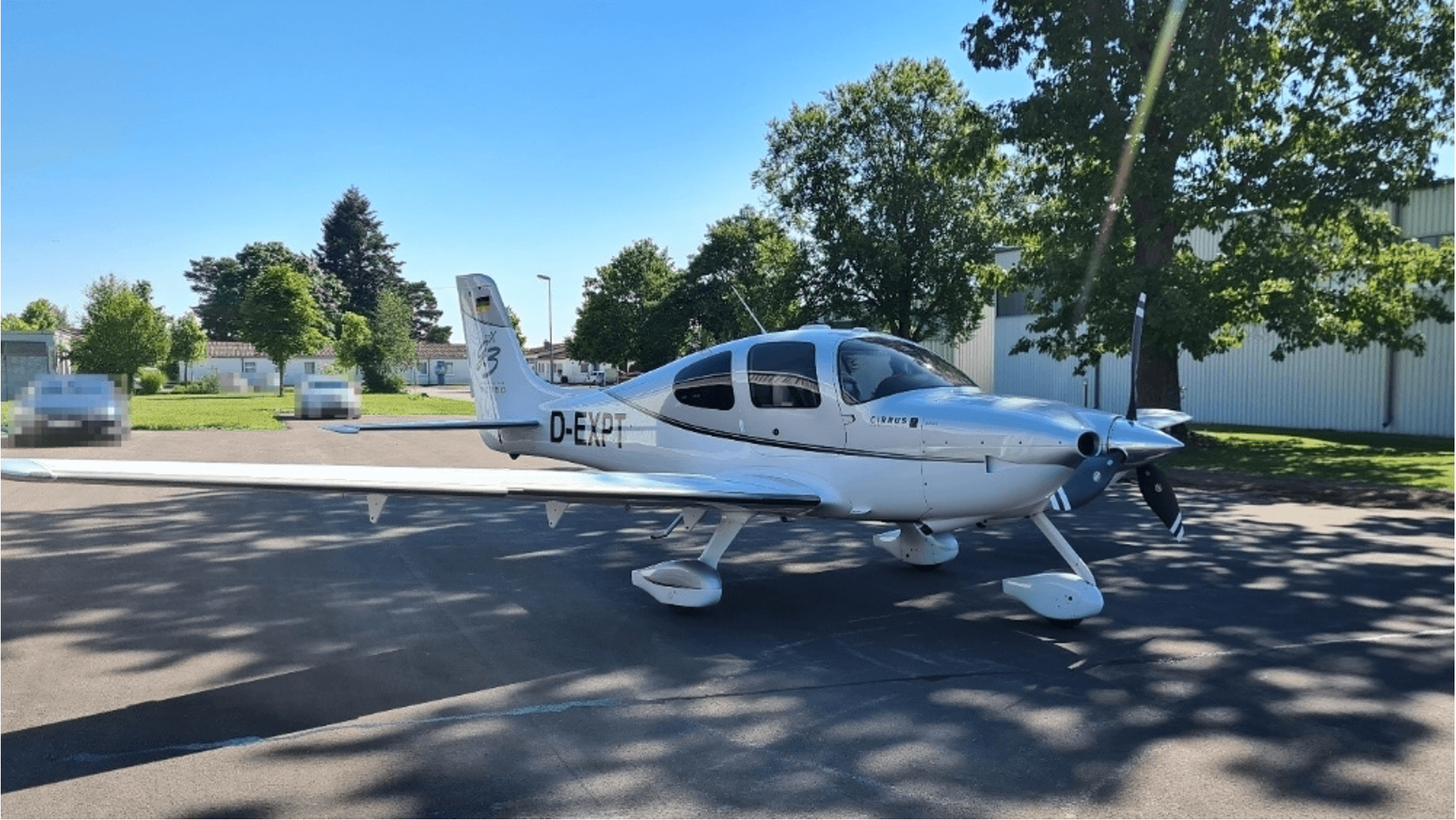
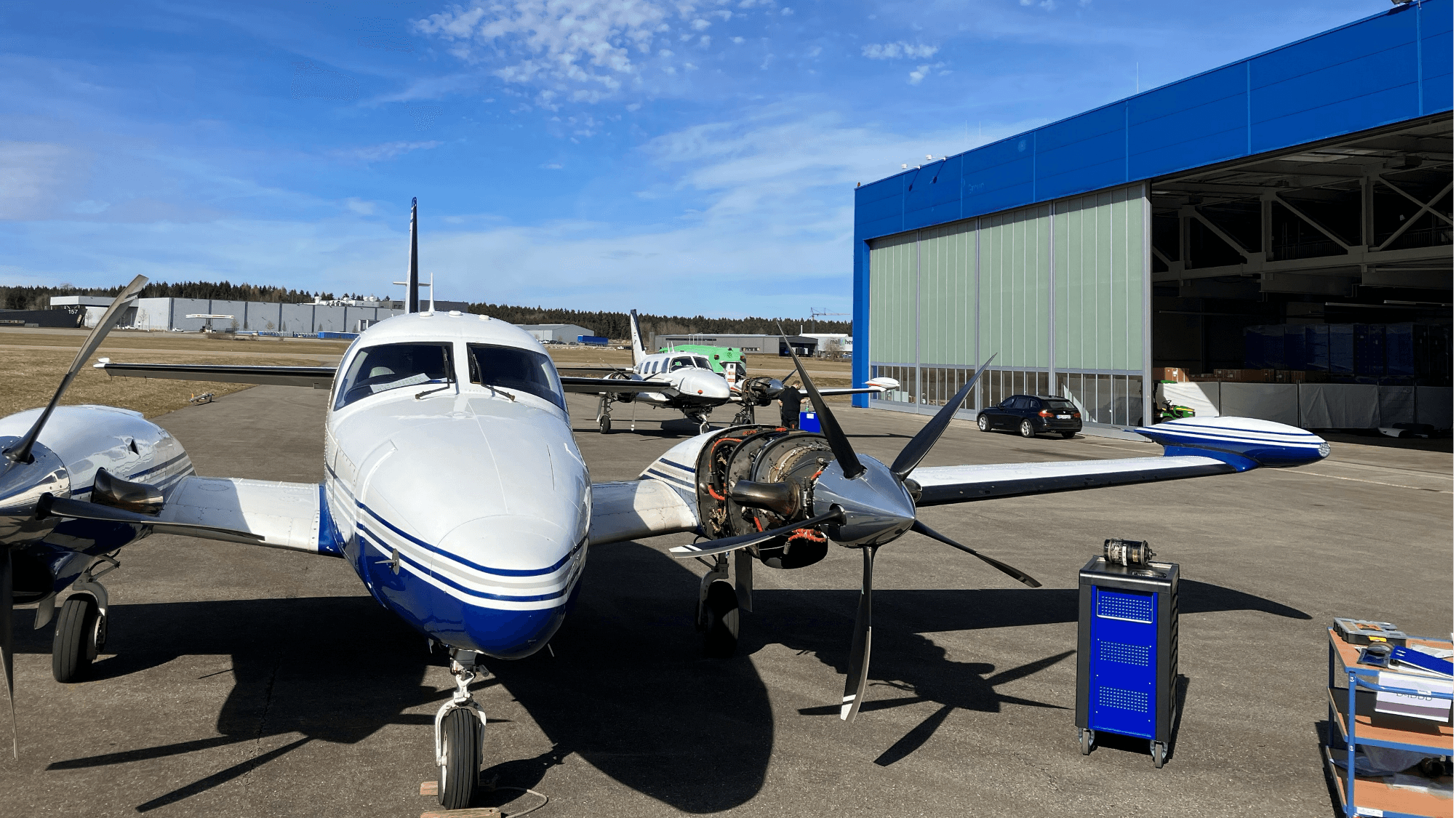
The autonomous flight control technology behind every KUM Services robot aircraft is developed in collaboration with the Institute of Flight Mechanics and Flight Control (iFR) at the University of Stuttgart. Physical integration of the autonomy stack is carried out with Part One-Forty Five GmbH (EASA Part-145 certified, Neuhausen ob Eck Airfield) — combining academic flight control research with certified maintenance engineering.
Related Services
Explore HPAA Capabilities
Autonomous Aircraft Germany
Programme overview — civil aircraft converted into autonomous platforms.
Unmanned Aircraft Germany
Certification and airspace — how unmanned conversions are approved and operated.
Drone Aircraft Conversion Germany
The conversion process — from airframe sourcing to on-site completion.
Autonomous Platform Aircraft Germany
Platforms and payloads — airframe options and mission equipment.
Contact
Discuss the Technology for Your Mission
KUM Services GmbH — autonomous flight control and robot aircraft technology, engineered in Germany and deployed for government and special-mission operators worldwide.