KUM Services GmbH · Germany
High-Performance Autonomous Aircraft
A Proven Platform, Now Pilotless
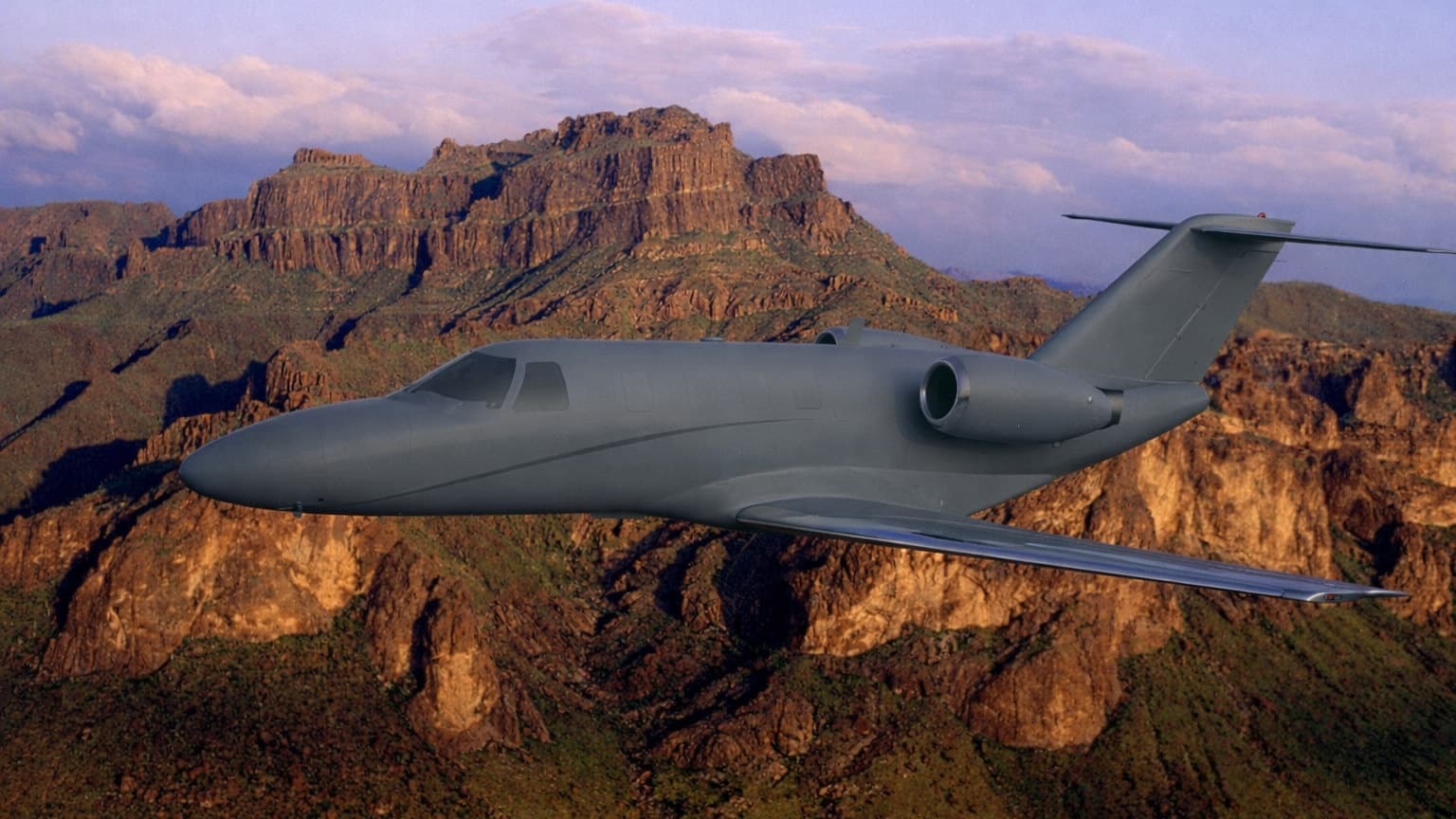
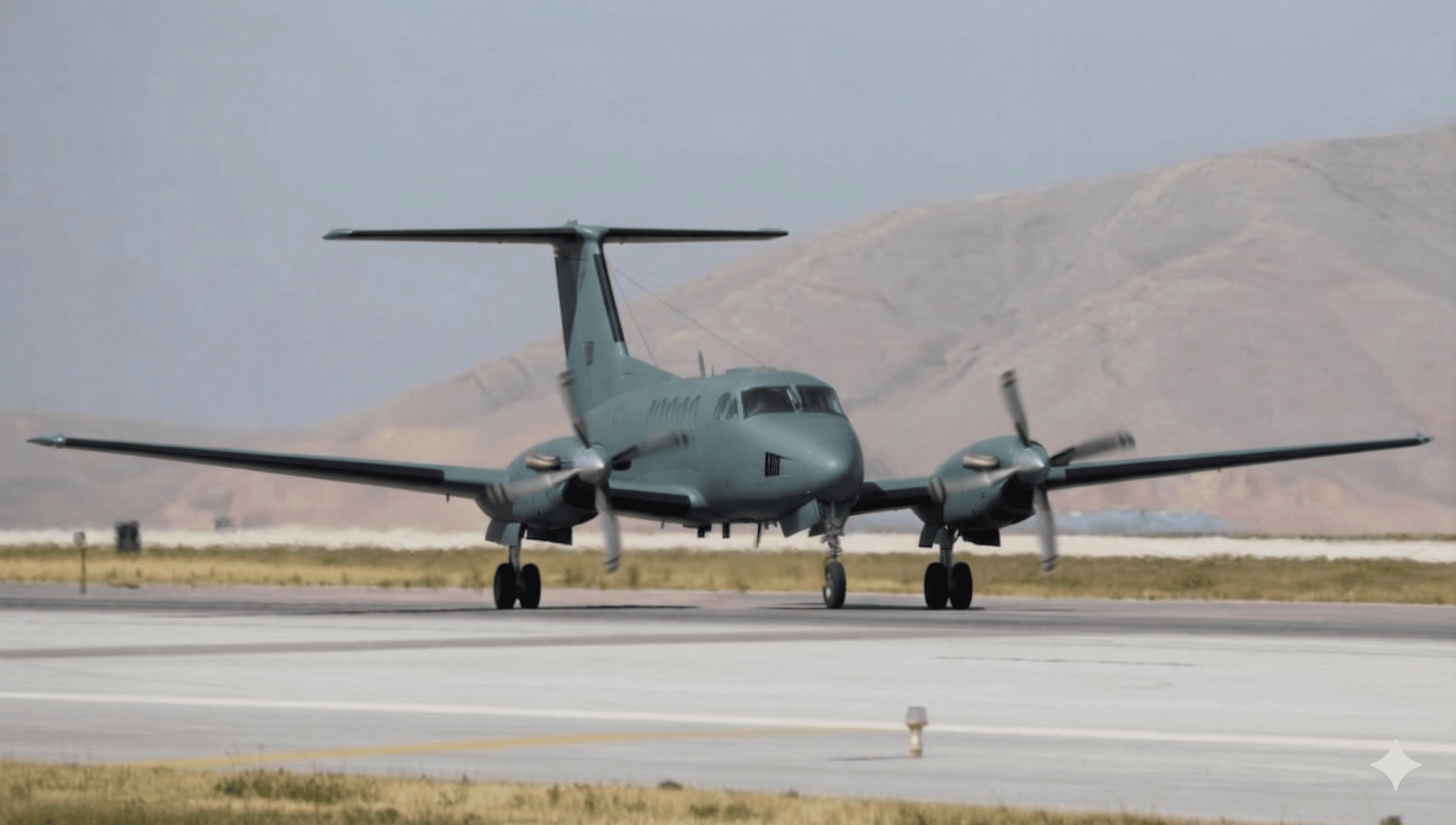
Flight demonstration
A proven platform, now pilotless
Most unmanned aircraft start small. We started with a proven, full-size civilian aircraft — and made it fly itself. The result is a high-performance autonomous aircraft that carries real payloads over real distances, without a pilot on board, under continuous supervised mission control from the ground.
This is what separates a high-performance autonomous aircraft from a hobby-class drone: certified-grade airframe heritage, true payload capacity, long endurance, and an autonomy stack mature enough to be trusted with demanding missions.
Proven platform
Why build autonomy on a proven aircraft
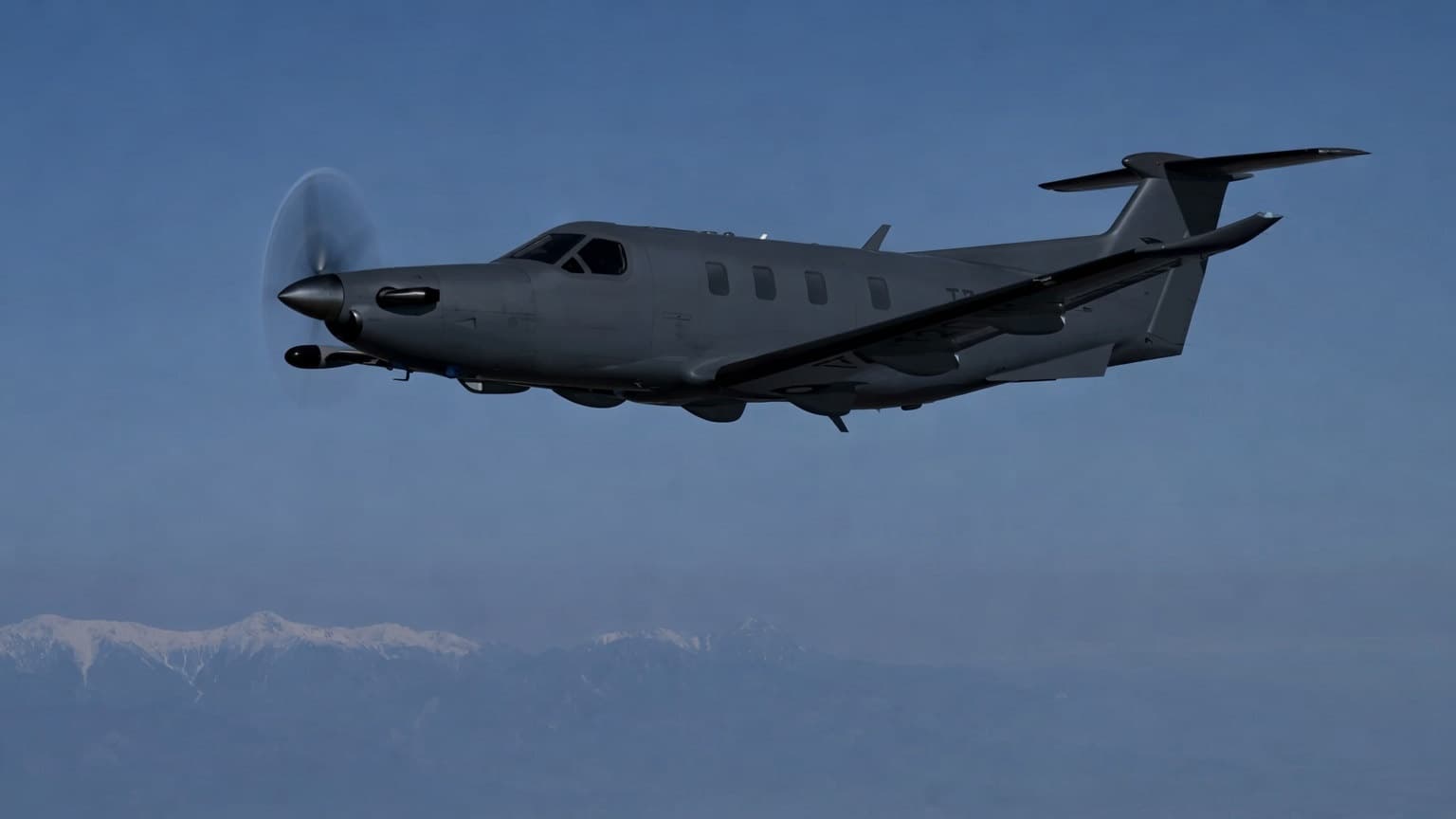
The fastest way to an unreliable unmanned aircraft is to design a brand-new airframe and bolt autonomy onto it. We took the opposite route — inheriting decades of aerodynamic, structural, and systems maturity from an established civilian platform. That foundation means meaningful payloads, endurance and range beyond multirotor drones, and predictable behaviour before the pilot is removed.
Supervised autonomy
Pilotless, but never unsupervised
Every mission runs under supervised mission control. Operators see flight systems, navigation, power, and payload status in real time — and can intervene at any point. The cockpit may be empty; the mission is watched second by second.
Mission applications
What a high-performance autonomous aircraft is used for
A large autonomous aircraft built on a proven platform opens missions that small drones cannot serve — with the cost and risk profile of an unmanned aircraft system (UAS).
Unmanned cargo and logistics
Moving payloads between sites, to remote or hard-to-reach locations, or along routes where a crewed flight is costly or risky — without putting a pilot in the seat.
Long-endurance surveillance
Wide-area patrol, infrastructure inspection, border and maritime monitoring, and persistent observation where time on station is the whole point.
Heavy-payload sensor missions
When the payload is large, power-hungry, or specialised, you need an aircraft with real lift and real electrical capacity — not a consumer airframe stretched past its limits.
Integration
How the autonomy is integrated
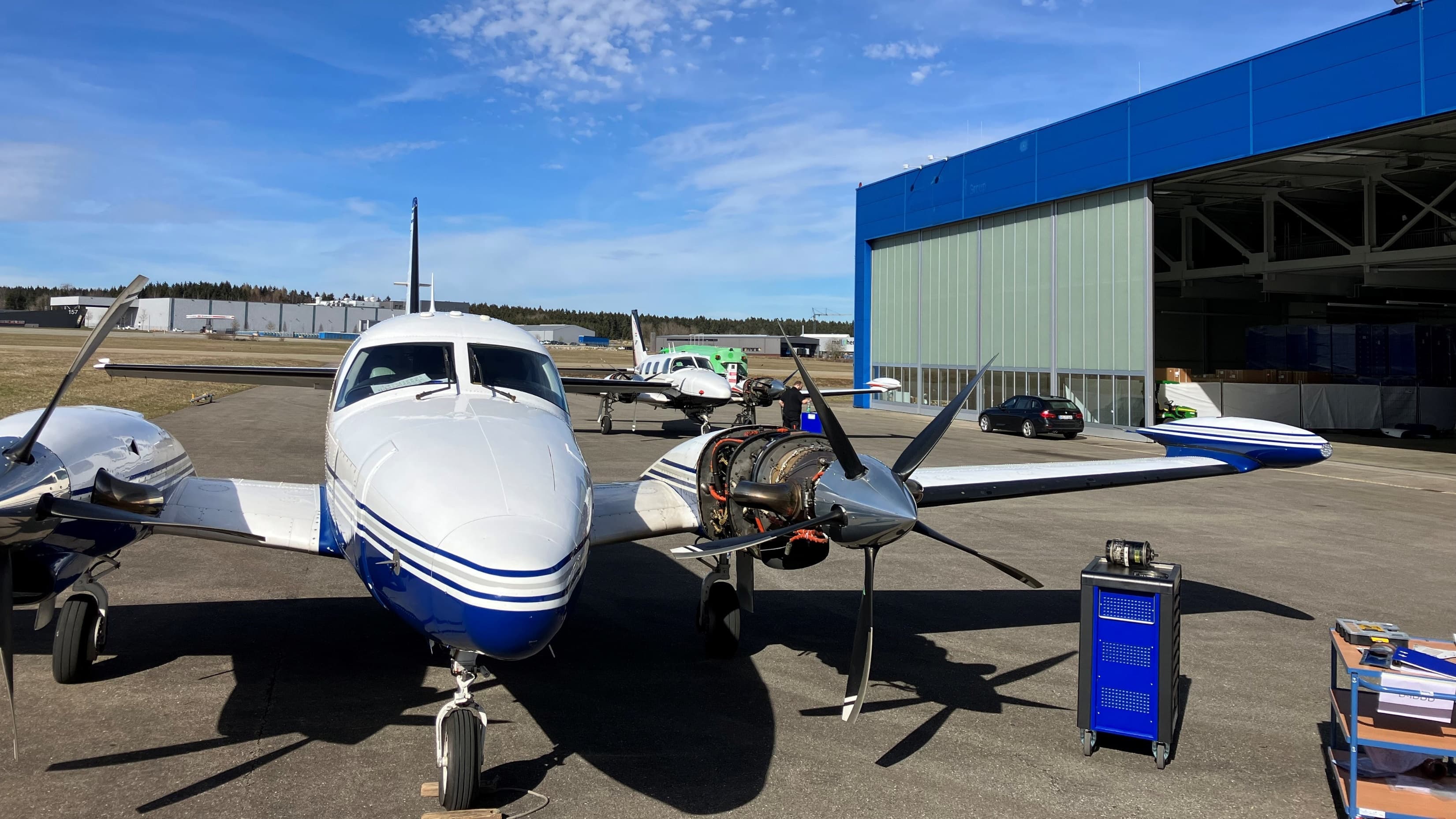
Turning a proven airframe into a high-performance autonomous aircraft is an engineering discipline, not a kit. Flight control, redundant navigation, secure command-and-control links, health monitoring, and mission control software are integrated so the aircraft flies reliably and reports honestly to supervisors on the ground.
FAQ
Frequently asked questions
What is a high-performance autonomous aircraft?
It is a full-size, capable aircraft that flies without an onboard pilot, built on a proven airframe so it can carry substantial payloads over long distances — distinct from small consumer or commercial drones.
Is the aircraft fully autonomous or remotely piloted?
It flies autonomously but operates under supervised mission control. Ground-based operators monitor every system in real time and retain authority over the mission.
What payloads can it carry?
Because it is based on a proven civilian platform rather than a small drone airframe, it supports meaningful cargo, sensor, and equipment payloads. Specific capacity depends on configuration — contact us for figures.
What can it be used for?
Unmanned cargo and logistics, long-endurance surveillance and monitoring, and heavy or specialised payload missions.
See the platform in action
Evaluate autonomous aircraft for your mission
From proven airframe to pilotless flight under supervised mission control — if you are evaluating autonomous aircraft for cargo, surveillance, or payload missions, we would welcome the conversation.
Germany's HPAA Specialist
KUM Services GmbH
Germany
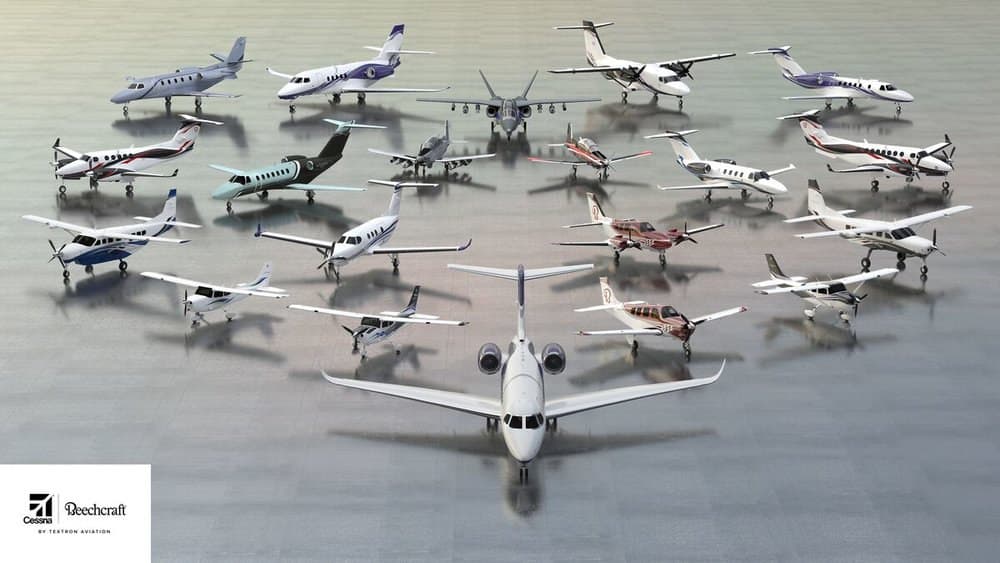
HPAA conversion programmes utilise proven civil turboprop and turbofan airframes — Cessna 208, Beechcraft King Air 350, Pilatus PC-12, Citation 525B, and C-130J — with on-site conversion under EASA Part-145 certified maintenance procedures.
Key Advantages
Why Choose HPAA Conversion?
Speed of Fielding
On-site conversion in a very short period. Civil registration allows ferry flights under standard aviation rules.
Cost Efficiency
Base airframes sourced on the open civil market at known prices. Fixed, transparent programme pricing.
Operational Discretion
Platforms retain the external appearance of the base civil aircraft.
Global Support
Cessna 208 and King Air 350 types supported by service centres on every inhabited continent.
Related Services
Explore HPAA Capabilities
Autonomous Aircraft Germany
Civil aircraft converted to fully autonomous platforms.
Unmanned Aircraft Germany
Civil aircraft converted to fully unmanned aerial systems (UAS).
Robot Aircraft Germany
Robot aircraft conversion for defence and special mission operators.
Aircraft Catalogue
Platform specifications and conversion options.